Coronary Angiography Test in Agra
Coronary Angiography
What Is Coronary Angiography?
Coronary angiography is a specialized imaging test. It helps doctors view the inside of your heart’s blood vessels. This test uses a contrast dye and X-ray imaging to check for blocked or narrowed coronary arteries. It plays a crucial role in diagnosing coronary artery disease (CAD).
Why Is Coronary Angiography Performed?
Doctors recommend angiography to:
- Detect blockages or narrowing in coronary arteries
- Identify the cause of chest pain or discomfort
- Evaluate symptoms of shortness of breath
- Check heart blood flow after a heart attack
- Plan treatment like angioplasty or bypass surgery
It’s often done when other tests suggest heart problems.
How Is the Procedure Done?
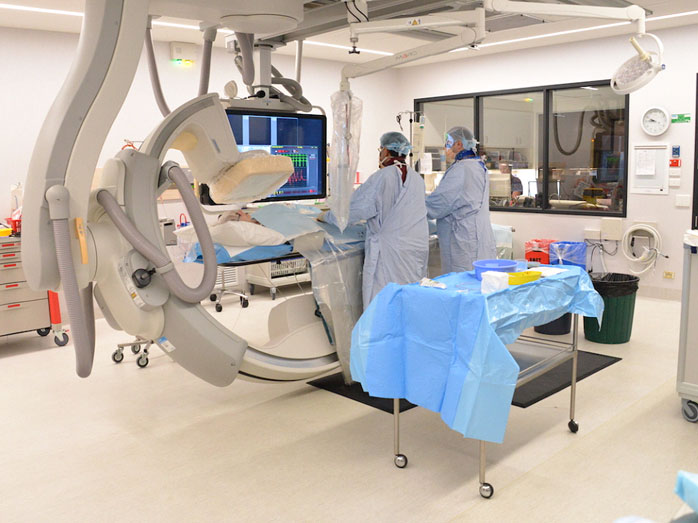
The procedure is done in a catheterization lab. Here’s how it works:
- You lie on an X-ray table
- A catheter is inserted into an artery, usually in your wrist or groin
- It’s guided through blood vessels to your heart
- Contrast dye is injected through the catheter
- X-ray images (angiograms) are taken to track blood flow
The test usually takes 30 to 60 minutes. You remain awake but may get mild sedatives.
What Are the Benefits of Coronary Angiography?
- Accurate diagnosis of heart disease
- Quick decision-making for treatment
- Guides stent placement or surgery
- Minimally invasive
- Real-time imaging of blood vessels
It helps doctors save lives by spotting critical blockages early.
Who Needs Coronary Angiography?
Your doctor may advise angiography if you have:
- Persistent chest pain
- Abnormal ECG or stress test results
- Known heart disease with new symptoms
- High risk factors like diabetes, smoking, or high cholesterol
- Heart attack symptoms
It’s also done before major heart procedures.
How to Prepare for the Test
Before the procedure:
- Do not eat or drink for 6 to 8 hours
- Inform your doctor about allergies, especially to iodine or contrast dye
- Discuss medications, especially blood thinners or diabetes drugs
- Arrange someone to drive you home
Preparation ensures safety and smooth testing.
What Happens After Coronary Angiography?
Post-procedure steps include:
- Monitoring in a recovery room
- Checking the catheter site for bleeding
- Resting for a few hours
- Drinking fluids to flush the dye
Most patients go home the same day unless further treatment is needed.
Are There Any Risks?
While generally safe, angiography may have rare risks:
- Bleeding or bruising at the catheter site
- Allergic reaction to dye
- Irregular heartbeat
- Blood clots
- Very rarely, heart attack or stroke
Your medical team monitors everything closely to minimize risks.
Coronary Angiography vs. Other Tests
Unlike ECG or TMT, angiography directly shows artery condition. It’s more detailed and helps decide immediate intervention. No other test offers such precise information on heart blood flow.