Renal angio-embolization in Agra
Renal angio-embolization
What Is Renal Angio-Embolization?
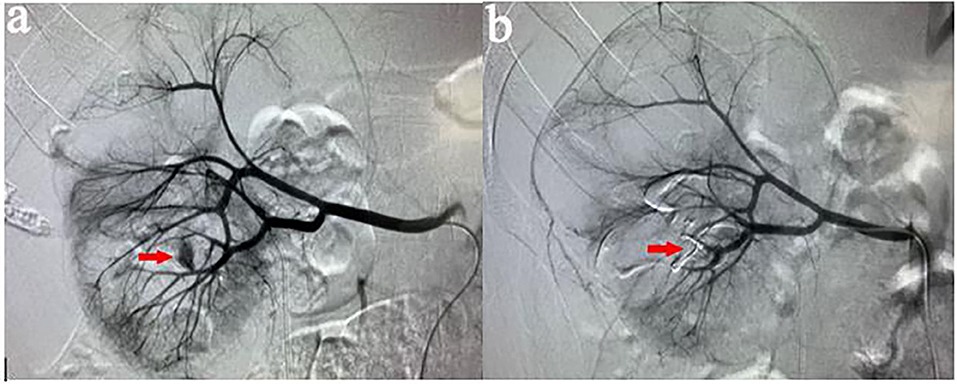
Renal angio-embolization is a minimally invasive interventional radiology procedure used to block abnormal or bleeding blood vessels in the kidney. It is performed to stop internal bleeding, control tumors, or treat vascular malformations without open surgery.
The procedure involves using a catheter to deliver special materials (like coils, glue, or particles) into the renal artery to selectively block the targeted blood flow.
When Is This Procedure Recommended?
Renal angio-embolization is typically used for:
- Severe or uncontrolled kidney bleeding
- Post-biopsy or post-surgical bleeding
- Trauma to the kidney
- Tumors like renal angiomyolipoma
- Renal artery aneurysms or arteriovenous malformations (AVMs)
- Palliative treatment for inoperable kidney tumors
- Pre-surgical preparation to reduce bleeding risk
It is often a life-saving procedure in emergency situations.
How Is the Procedure Done?
- Performed in a specialized radiology suite
- Local anesthesia and light sedation are given
- A catheter is inserted through the groin or wrist into the artery
- Using real-time imaging, the catheter is guided to the affected renal vessel
- Embolic material is injected to block blood supply to the bleeding or abnormal area
- The catheter is removed, and pressure is applied to stop bleeding
The entire procedure usually takes 1 to 2 hours and has a short recovery period.
Types of Embolic Materials Used
- Coils – tiny metal spirals that create a physical blockage
- Gelfoam – absorbable sponge-like material
- Polyvinyl alcohol (PVA) particles – for smaller vessel embolization
- Liquid embolics – like medical-grade glue for deep or complex vessels
The choice depends on the underlying condition and the anatomy of the kidney vessels.
Benefits of Renal Angio-Embolization
- Minimally invasive with no large incisions
- Fast recovery and short hospital stay
- Highly targeted—only abnormal vessels are blocked
- Controls life-threatening bleeding quickly
- Preserves kidney function when possible
- Can be repeated if needed
What to Expect After the Procedure
- Some patients may experience mild pain or fever due to post-embolization syndrome
- Monitoring for blood pressure, kidney function, and bleeding
- Pain is usually managed with medication
- Most people return to daily activities within a few days
Is It Safe?
Yes, the procedure is safe and effective when performed by experienced interventional radiologists. Risks are low but may include:
- Minor bleeding or bruising at the catheter site
- Temporary kidney function changes
- Rare chance of infection or unintended embolization