CRTD Implantation in Agra

CRTD Implantation in Agra

CRTD Implantation

What Is CRTD Implantation?

CRTD (Cardiac Resynchronization Therapy with Defibrillator) is a specialized device implanted in patients with heart failure and abnormal heart rhythms. It combines a pacemaker with a defibrillator, helping your heart beat in a coordinated, stronger way while protecting you from life-threatening arrhythmias.

Who Needs CRTD?

CRTD is usually recommended for patients who have:

  • Severe heart failure
  • Low ejection fraction (typically below 35%)
  • Enlarged heart chambers
  • Bundle branch block or wide QRS on ECG
  • Risk of sudden cardiac arrest

This device is lifesaving for those whose heart muscles have weakened and lost coordination.

How Does CRTD Work?

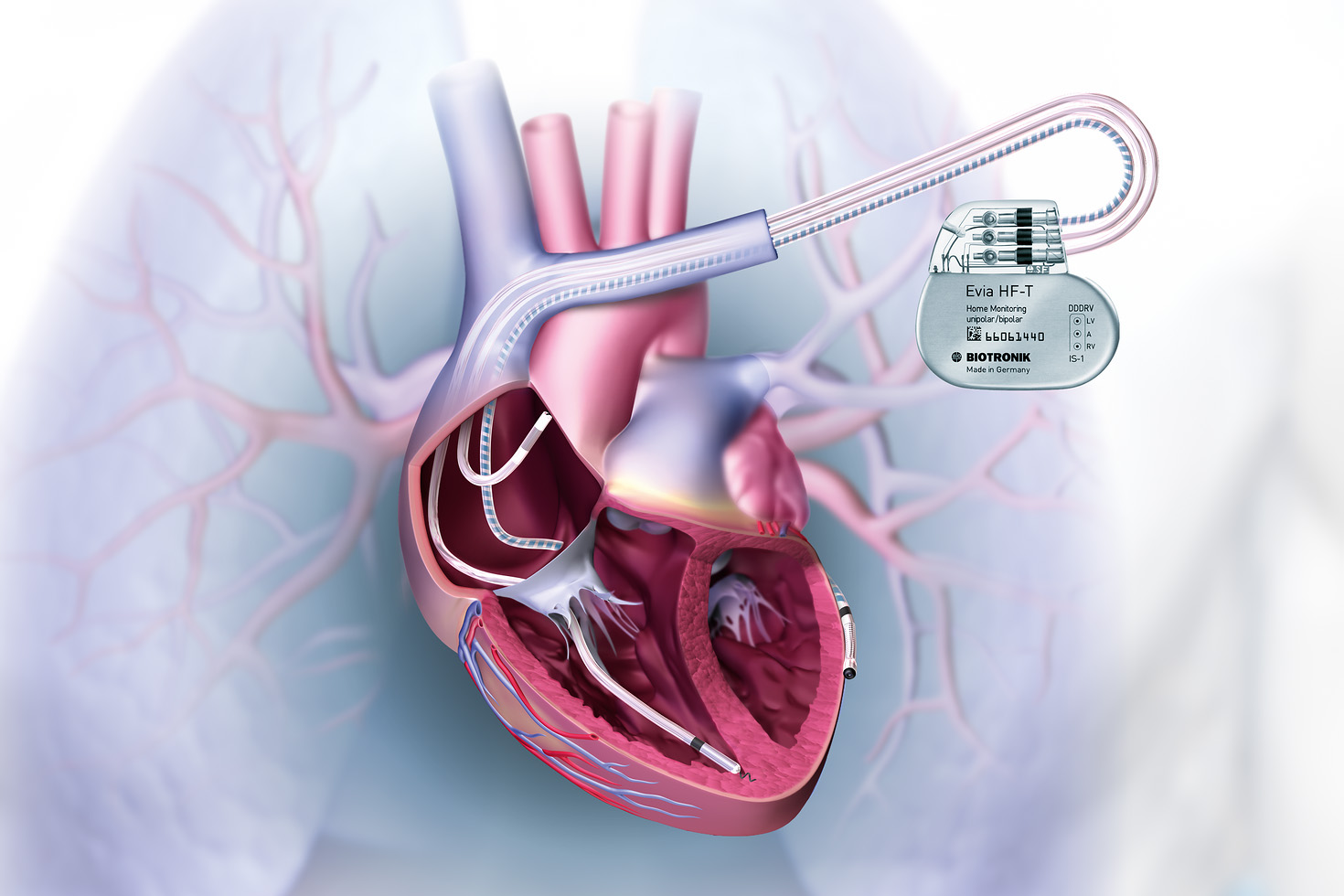
The CRTD system has three leads placed in:

  • Right atrium
  • Right ventricle
  • Left ventricle (via coronary sinus vein)

The device sends tiny electrical pulses to both ventricles at the same time. This helps them pump together more efficiently. If it detects dangerous arrhythmias, the defibrillator delivers a shock to restore normal rhythm.

The CRTD Implantation Procedure

CRTD surgery is a minimally invasive procedure that takes 2 to 3 hours:

  1. You’ll receive a local anesthetic and light sedation.
  2. Small incisions are made under the collarbone.
  3. Leads are guided through veins into heart chambers.
  4. The CRTD device is implanted under the skin.
  5. The leads are connected, tested, and the device is programmed.
  6. The incision is closed with sutures.

Patients are monitored for a few hours and usually discharged the next day.

Benefits of CRTD Implantation

  • Improves heart pumping efficiency
  • Reduces symptoms of heart failure
  • Lowers risk of sudden cardiac arrest
  • Enhances exercise ability
  • Improves quality of life and survival rates

Most patients notice better energy and fewer hospital visits after implantation.

Recovery and Aftercare

Post-surgery care includes:

  • Avoid heavy lifting for 2–3 weeks
  • Keep the incision dry and clean
  • Sleep on the opposite side of the device
  • Avoid raising the arm above shoulder level initially
  • Attend follow-ups to monitor and program the device

Your doctor will guide you about gradually returning to normal activity.

Living with a CRTD Device

After CRTD implantation, you can lead a full life with a few precautions:

  • Carry a CRTD ID card always
  • Inform all healthcare professionals before procedures
  • Avoid strong magnetic fields (MRI, industrial welders, etc.)
  • Avoid pressing on the device site
  • Attend all scheduled follow-ups for regular checks

Most patients adjust easily to living with the device.

Risks and Complications

Although rare, some risks may include:

  • Infection or bleeding at the implant site
  • Lead displacement or device malfunction
  • Pain or swelling around the chest
  • Irregular heartbeats during testing
  • Psychological impact (fear of shocks)

Your medical team will monitor for and manage any complications early.

When to Contact Your Doctor

Call your doctor immediately if you experience:

  • Pain, redness, or swelling at the incision site
  • Dizziness or fainting
  • A shock from the device
  • Breathing difficulty or chest pain
  • Irregular or racing heartbeat

Prompt care ensures your safety and device function.