Peripheral Angiography Test in Agra
Peripheral angiography/angioplasty
What Is Peripheral Angiography?
Peripheral angiography is a diagnostic imaging test used to examine the arteries outside the heart, especially those in the legs, arms, abdomen, and kidneys. It helps detect narrowing, blockages, or abnormalities in the blood vessels caused by Peripheral Artery Disease (PAD) or other vascular conditions.
The procedure uses a contrast dye and X-rays to visualize blood flow and pinpoint the exact location and severity of the blockage.
What Is Peripheral Angioplasty?
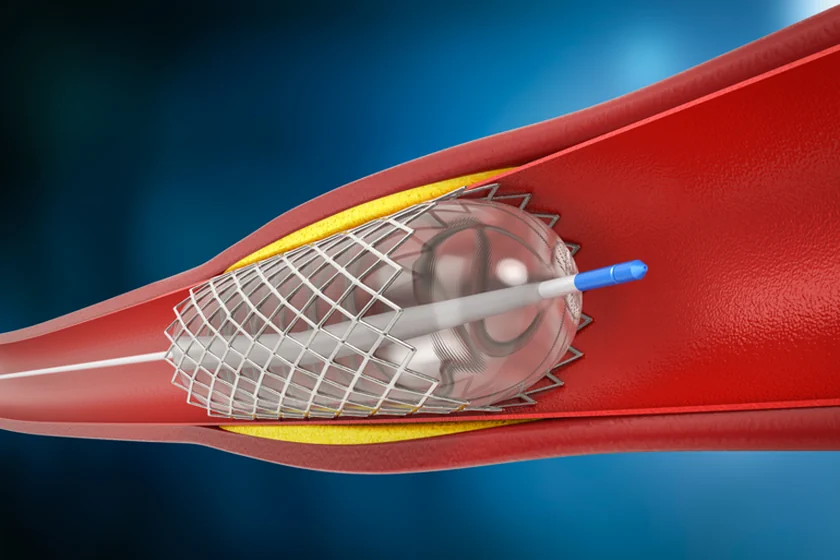
Peripheral angioplasty is a minimally invasive treatment that opens narrowed or blocked peripheral arteries. A balloon catheter is inserted into the affected artery and inflated to widen the vessel, restoring proper blood flow. In many cases, a stent (a tiny mesh tube) is placed to keep the artery open long-term.
Why Are These Procedures Important?
Blocked peripheral arteries can lead to:
- Leg pain or cramps while walking (claudication)
- Numbness or weakness in limbs
- Non-healing wounds or ulcers
- Tissue death or gangrene in severe cases
Peripheral angiography identifies the issue, while angioplasty corrects it—preventing serious complications and improving quality of life.
When Is Peripheral Angiography/Angioplasty Recommended?
Doctors may suggest these procedures if a patient has:
- Signs of PAD
- Poor circulation in arms or legs
- Chronic leg pain or fatigue during walking
- Ulcers or wounds that are not healing
- Previous stroke or kidney artery narrowing
- High risk of limb amputation
How Are the Procedures Performed?
Peripheral Angiography
- Performed under local anesthesia
- A catheter is inserted through the groin or arm
- Contrast dye is injected
- Real-time X-ray images guide the assessment
Peripheral Angioplasty
- The same catheter is used to pass a balloon into the blocked area
- The balloon is inflated to open the artery
- A stent may be placed if necessary
- Recovery is quick, with minimal discomfort
Both procedures are usually completed within 1 to 2 hours and require only a short hospital stay.
Benefits of Peripheral Angiography and Angioplasty
- Relieves pain and discomfort in limbs
- Restores normal blood flow
- Helps avoid major surgery or amputation
- Supports wound healing and mobility
- Safe, effective, and minimally invasive
Recovery and Aftercare
- Most patients go home the same or next day
- Light walking is encouraged after 24 hours
- Avoid heavy lifting for a few days
- Follow-up tests may be done to check artery function
- Lifestyle changes (diet, exercise, no smoking) are crucial to prevent recurrence