Pacemaker Surgery in Agra
Pacemaker Surgery
What Is Pacemaker Surgery?
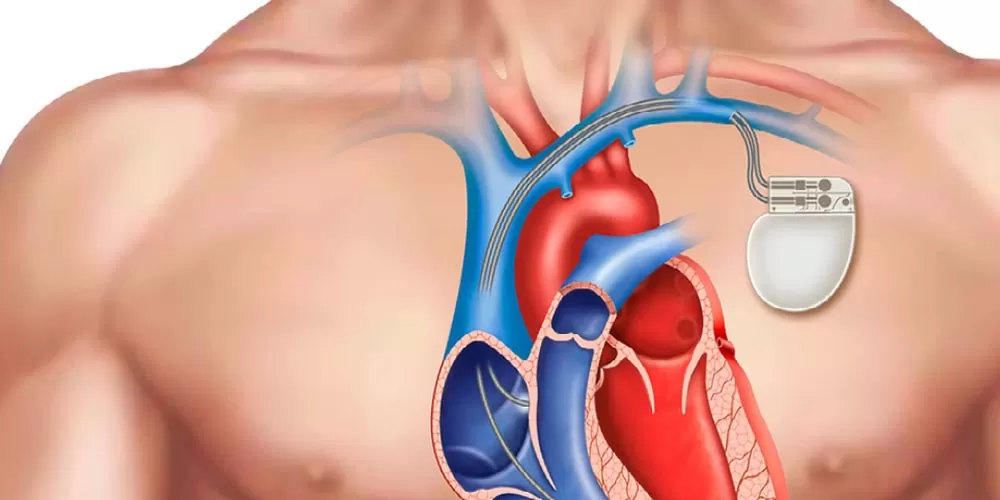
Pacemaker surgery is a medical procedure used to implant a small electronic device called a
pacemaker. This device helps control abnormal heart rhythms (arrhythmias). It sends
electrical pulses to prompt the heart to beat at a normal rate.
Why Is a Pacemaker Needed?
Doctors recommend a pacemaker for patients who have:
- Slow or irregular heartbeats (bradycardia)
- Fainting spells caused by heartbeat pauses
- Heart block (delayed electrical signals)
- Atrial fibrillation with slow pulse
- Certain types of heart failure
A pacemaker ensures your heart maintains a steady rhythm and proper blood flow.
Types of Pacemakers
There are different types based on patient needs:
- Single-chamber pacemaker – stimulates one heart chamber (usually the right ventricle)
- Dual-chamber pacemaker – coordinates the upper and lower heart chambers
- Biventricular pacemaker (CRT) – used in heart failure to improve coordination between
ventricles
Your cardiologist will decide the best type based on your condition.
How Is the Surgery Performed?
Pacemaker surgery is a minimally invasive procedure and typically follows these steps:
- You receive a local anesthetic and possibly a sedative.
- A small incision is made near your collarbone.
- Leads (wires) are inserted into a vein and guided to the heart.
- The leads are connected to the pacemaker device.
- The device is placed under the skin.
- The incision is closed with stitches.
The surgery takes about 1–2 hours. Most patients go home the same or next day.
Benefits of Pacemaker Surgery
- Maintains a steady heartbeat
- Improves energy and activity levels
- Reduces symptoms like dizziness and fainting
- Improves quality of life
- Enhances survival in specific heart conditions
Many patients feel better almost immediately after surgery.
Recovery After Pacemaker Surgery
Post-surgery care includes:
- Avoiding heavy lifting for a few weeks
- Keeping the incision clean and dry
- Taking medications as prescribed
- Following up for pacemaker checkups and programming
- Avoiding magnetic or electrical interference (like MRIs or welding equipment)
You can return to most normal activities within a week.
Risks and Complications
Though rare, possible risks include:
- Infection at the incision site
- Swelling or bruising
- Lead dislodgement
- Allergic reaction to the device or anesthesia
- Bleeding or damage to blood vessels
Doctors take precautions to minimize all risks during and after the procedure.
Life with a Pacemaker
Having a pacemaker means a few adjustments:
- Carry a pacemaker ID card
- Avoid strong magnets or prolonged contact with certain electronics
- Inform medical staff before procedures
- Get your pacemaker checked regularly
Most people live active, normal lives with a pacemaker.
When to Call a Doctor
Seek medical attention if you experience:
- Chest pain
- Dizziness or fainting
- Swelling or discharge at the incision site
- Rapid or irregular heartbeats
These signs could indicate complications that need immediate care.